.svg)

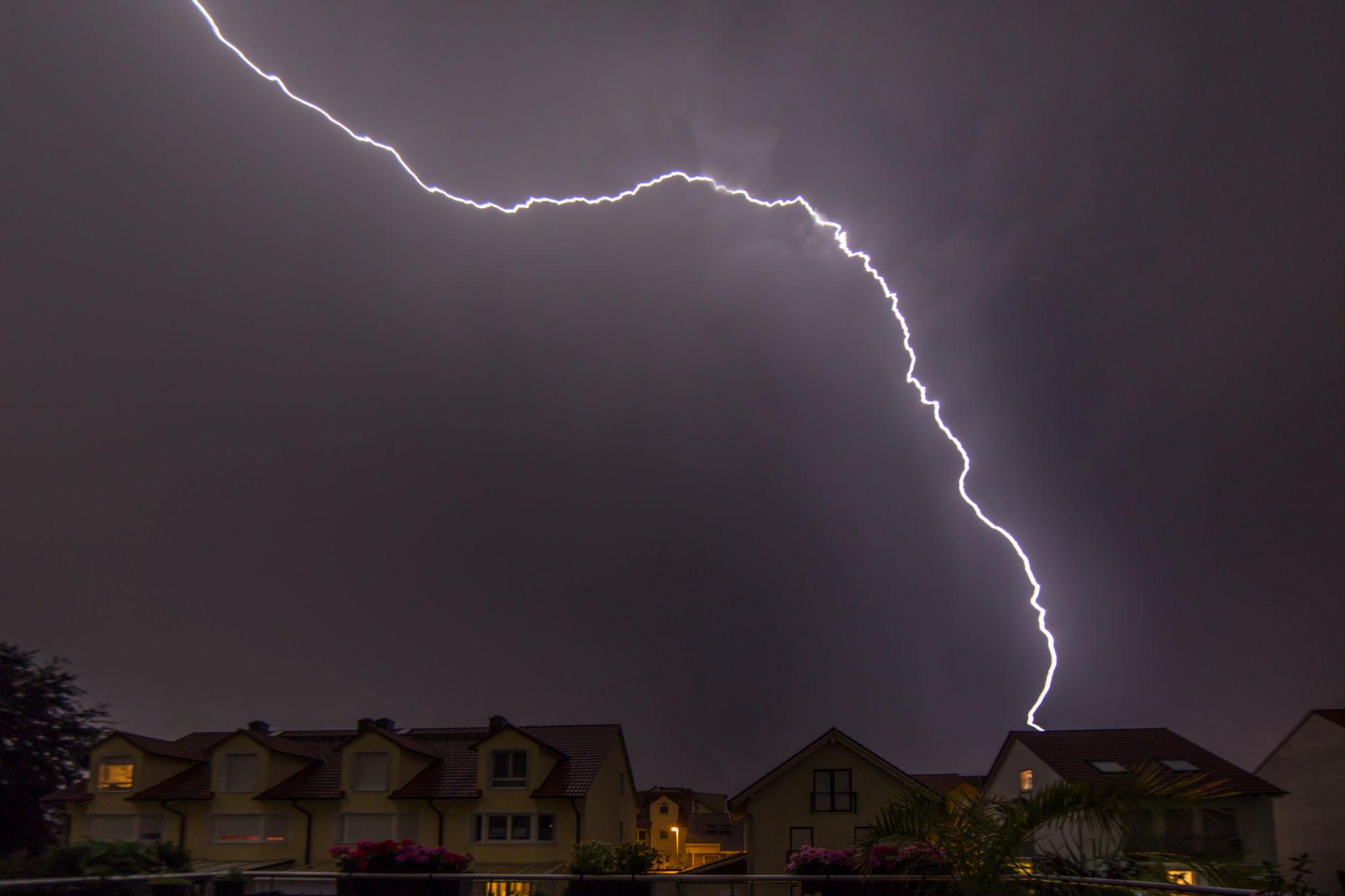
Lightning strikes are unpredictable and can cause severe damage to homes in a matter of seconds. Without a properly installed lightning protection system, a single strike can lead to fires, electrical system failures, structural damage, and costly repairs. Many homeowners assume lightning will not affect their property, but homes in both urban and rural areas are vulnerable—especially during severe storms.
Understanding what happens when lightning strikes a house without protection can help homeowners make informed decisions about safeguarding their property and family.
When lightning strikes a home, it releases an enormous amount of electrical energy—often exceeding 300 million volts. This energy seeks the fastest path to the ground. Without a controlled path provided by a lightning protection system, the electrical current can travel through building materials, wiring, plumbing, and structural components.
Common immediate effects include:
Even a nearby lightning strike can create dangerous power surges that travel through utility lines and damage sensitive equipment inside the home.
One of the most serious outcomes of a lightning strike is fire. The intense heat generated by lightning can ignite combustible materials in seconds. Roof structures, attic insulation, and wooden framing are particularly vulnerable.
Fires caused by lightning often start in hidden areas such as:
Because these fires may smolder before becoming visible, they can spread quickly before homeowners realize there is a problem. This is why lightning-related fires can cause extensive damage to homes.
Lightning can overload a home's electrical system instantly. The surge of electricity may travel through wiring, outlets, and connected devices, destroying electronics and appliances.
Typical electrical damage includes:
In many cases, electrical damage from lightning is not immediately visible. Problems may develop over time, leading to unexpected system failures.
Lightning does not always strike the center of a home. It may hit near by objects such as trees, fences, or utility lines and transfer energy to the structure. This can result in physical damage to the building itself.
Structural damage may include:
Homes located in open areas or at higher elevations are especially at risk for lightning-related structural damage.
Not all lightning damage is immediately obvious. Some effects develop gradually after the strike. This hidden damage can lead to costly repairs if left undetected.
Examples of delayed damage include:
A professional inspection is often recommended after any suspected lightning strike to ensure the home remains safe.
A professionally installed lightning protection system provides a safe path for electrical energy to travel into the ground. This controlled path helps reduce the risk of fire, electrical damage, and structural failure.
A typical home lightning protection system includes:
These components work together to safely redirect lightning energy away from the structure.
Some properties are more likely to experience lightning damage than others. Homeowners should consider protection if their property has certain risk factors.
High-risk conditions include:
Even homes in suburban neighborhoods can benefit from lightning protection.
Repairing lightning damage can be expensive. Fire damage, electrical system replacement, and structural repairs often cost far more than installing a lightning protection system.
Potential costs from lightning damage may include:
Investing in protection helps reduce financial risk and provides peace of mind.
Lightning strikes can happen without warning, but the damage they cause can be prevented. Installing a professional lightning protection system is one of the most effective ways to protect your home, family, and valuable property.
Homeowners who take proactive steps to install lightning protection often benefit from: